
“Prevention must also be shaped by lived experience, because victim-survivors often understand the gaps long before systems are willing to admit they exist.”
Domestic violence prevention cannot remain a slogan.
For years, governments, services, advocates and communities have said we need to stop violence before it starts. We have posters. We have campaigns. We have awareness days. We have speeches. We have inquiries. We have national plans. We have vigils after women are killed.
And yet, too often, victim-survivors are still expected to carry the burden of identifying danger before the system does.
That is the part I struggle with.
We tell people to leave.
We tell them to trust their instincts.
We tell them to make safer choices.
We tell them to protect themselves and their children.
But how can someone make an informed decision when the information that could help them assess risk is held behind institutional walls?
This is where Domestic Violence Disclosure Schemes matter.
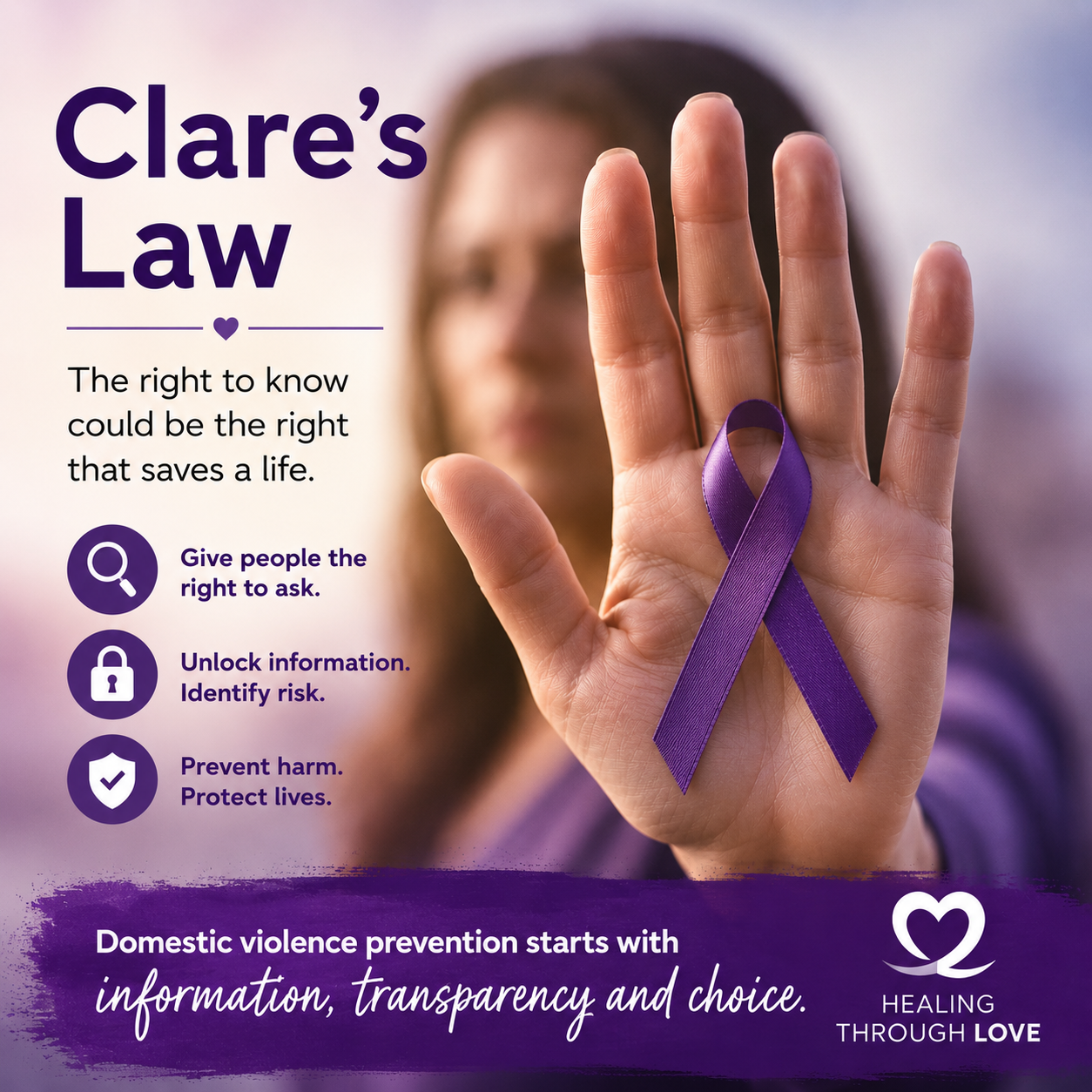
Often referred to as Clare’s Law, a Domestic Violence Disclosure Scheme allows a person who fears they may be at risk to request information about whether their current or former partner has a known history of domestic or family violence. In South Australia, the Domestic Violence Disclosure Scheme gives a person at risk, or someone concerned about them, a pathway to apply for information that may help them make decisions about their safety and relationship. South Australia Police describe the scheme as an early intervention and prevention initiative, not an emergency response service. (SAPOL)
That distinction matters.
A disclosure scheme does not replace crisis response. It does not replace police, courts, refuges, counselling, housing, income support or perpetrator intervention. But it does something prevention desperately needs.
It gives information to the person whose life may depend on it.
Why Clare’s Law matters
Clare’s Law is named after Clare Wood, who was murdered in the United Kingdom in 2009 by a former partner who had a known history of violence against women. The central question after her death was painfully simple: if this information existed, why was it not available to the woman who needed it?
That question should haunt every government.
Because domestic violence is rarely a single incident. It is often a pattern. Coercive control, intimidation, stalking, threats, isolation, financial abuse, sexual violence and physical violence often escalate over time. Many perpetrators do not begin with visible violence. They begin with charm, intensity, pressure, jealousy, control and manipulation.
By the time the danger is obvious to outsiders, the victim-survivor may already be isolated, exhausted, financially trapped, psychologically worn down or physically unsafe.
Prevention must begin before the crisis point.
That is why disclosure matters. It can help someone connect the dots earlier. It can confirm that their fear is not paranoia. It can reveal a pattern that has been hidden from them. It can help them safety plan before escalation. It can also connect them with specialist domestic and family violence support.
South Australia’s model is important because it is not just a police database with a form attached. The independent review of South Australia’s scheme found that every applicant receives contact from a domestic and family violence specialist and is offered trauma-informed support, education, risk assessment, safety planning, referrals and psychological support, whether or not a disclosure is ultimately made. (Essex Open Access Research Repository)
That is what responsible prevention looks like.
Not just information.
Information with support.
Information with context.
Information with safety planning.
Information with care.
South Australia has shown it can be done
South Australia introduced its Domestic Violence Disclosure Scheme in 2018. An independent review covering 2018 to 2024 found the scheme had received 2,581 applications and organised 1,064 disclosure meetings. Demand had risen by 200 percent over six years. (Essex Open Access Research Repository)
Those numbers tell us something important.
People want this information.

The review also found that 86 percent of persons at risk using the scheme were not receiving support from any domestic and family violence service at the time they applied, and 67 percent had never received such support. (Essex Open Access Research Repository)
That should stop us in our tracks.
A disclosure scheme is not only about criminal history. It is also a doorway into support for people who may otherwise never reach the service system.
That is prevention.
The same review reported that 99 percent of clients were satisfied with the service they received from South Australia Police and the domestic and family violence service. It also found that clients saw the scheme as useful not only at the beginning of a relationship, but also at the end – the point when risk can be extremely high. (Essex Open Access Research Repository)
This challenges the narrow idea that disclosure schemes only help someone decide whether to enter or stay in a relationship. In reality, they can also help someone leave more safely.
And that is where prevention must be honest.
Leaving is not automatically safety. For many victim-survivors, leaving is one of the most dangerous times. A disclosure scheme, handled properly, can help a person understand risk and plan around it.
So the obvious question is this:
If South Australia can do it, why has Australia not implemented a national Domestic Violence Disclosure Scheme?
The national gap is not because prevention is unimportant
The Federal Government’s National Plan to End Violence against Women and Children 2022-2032 identifies four main areas: prevention, early intervention, response, and recovery and healing. The plan states that ending family, domestic and sexual violence requires a whole-of-society effort involving community, industry and government. (dss.gov.au)
On paper, prevention is clearly recognised.
The problem is that prevention often becomes a comfortable word for long-term cultural change, while practical early-intervention tools are treated as too complex, too risky or too difficult.
A national Domestic Violence Disclosure Scheme would sit right in the uncomfortable middle. It would force governments to confront not just public attitudes, but private histories, institutional data, police records, cross-border offending, privacy law, accountability and the repeated failure to track perpetrators properly across systems.
That is where the resistance begins.
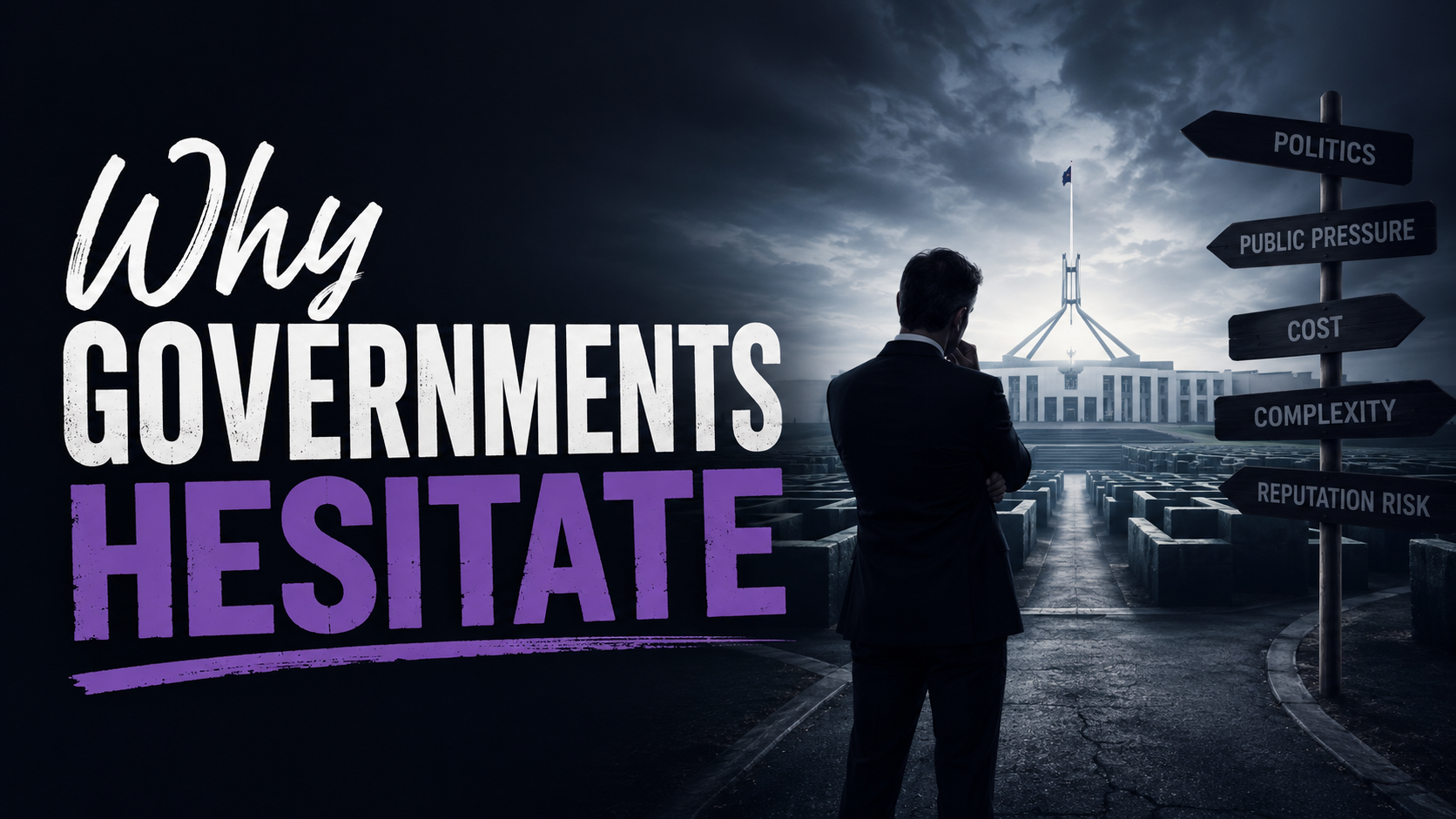
I do not believe the failure to implement a national scheme is because nobody cares.
I believe it is because the system is fragmented, cautious, liability-conscious, under-resourced and politically uncomfortable.
Australia does not have one simple domestic violence system. It has federal, state and territory responsibilities. Police are state and territory based. Courts operate across jurisdictions. Intervention orders vary. Criminal laws vary. Information-sharing laws vary. Service systems vary. Data definitions vary.
A perpetrator can move between states. A victim-survivor can move between states. A protection order may exist in one jurisdiction, while relevant risk information sits somewhere else. A national scheme would require governments to agree on what information is collected, what can be shared, who can request it, who can receive it, how risk is assessed, how false or incomplete information is handled, and what support must be provided.
That is difficult.
But difficult is not the same as impossible.
The deeper issue is that a national disclosure scheme would require governments to decide that a victim-survivor’s right to informed safety must be weighed seriously against a perpetrator’s expectation of privacy.
That is a confronting policy choice.
It raises legitimate questions. What if an allegation was never proven? What if police records contain errors? What if a disclosure creates false confidence because no history is found? What if a perpetrator retaliates? What if someone misuses the information? What if marginalised communities are over-policed and therefore over-represented in records? What about women, non-binary people and people in same-sex relationships who use violence? What about female perpetrators, who must also be held accountable when they cause harm?
These questions are real.
But they should lead to careful design, not paralysis.
A perpetrator database is not the same as public shaming
A national database for domestic and family violence perpetrators – male and female – would need to be carefully designed. It should not be a public website where people can browse names. That would create serious risks: vigilantism, defamation, misidentification, retaliation, racism, privacy breaches and harm to victim-survivors.
But a secure national database used by authorised agencies is different.
It could help police, courts, child protection, correctional services and specialist domestic violence services identify patterns that are currently hidden by jurisdictional borders and disconnected systems. It could track repeat offending, breaches, high-risk indicators, coercive control patterns, stalking behaviour, strangulation histories, weapons concerns, intervention orders, bail conditions and relevant court outcomes.
Importantly, Australia is already moving in this direction in a limited way. In 2024, the Australian Government announced a national criminal database to expand available data on perpetrators and improve targeting of prevention and early intervention initiatives. The announcement described the database as a tool to support reporting, monitoring and policy development under the National Plan. (Department of Social Services Ministers)
That is welcome.
But a criminal justice data asset is not the same as a victim-survivor-facing national disclosure scheme.
Data for government policy is not the same as information for personal safety.
We need both.
The uncomfortable truth about perpetrator accountability
Australia has spent years strengthening responses for victim-survivors, and that work matters deeply. But prevention will remain incomplete if we do not focus just as seriously on perpetrators.
Domestic violence is not prevented by asking victim-survivors to become better risk managers of someone else’s behaviour.
It is prevented by identifying patterns earlier, intervening sooner, restricting dangerous perpetrators where necessary, funding behaviour change where appropriate, enforcing consequences, and sharing information before harm escalates.
ANROWS has identified perpetrator intervention as a key research area, including police and legal responses, men’s behaviour change programs and community-based responses. The National Plan also recognises that perpetrators must stop their violence and be held to account. (anrows.org.au)
But accountability cannot happen properly if systems cannot see the full picture.
A person may appear as a “first-time offender” in one system while having a long pattern of concerning behaviour elsewhere. A victim-survivor may be told there is “not enough evidence” while multiple previous partners have reported similar behaviour. A new partner may sense something is wrong but have no safe way to access information that could confirm the risk.
This is how patterns remain protected.
Not deliberately, perhaps.
Not always maliciously.
But structurally.
Silence protects perpetrators. Fragmented data protects perpetrators. Jurisdictional gaps protect perpetrators. Underfunded systems protect perpetrators. Privacy arguments, when applied without equal regard for safety, can also protect perpetrators.
That is hard to say, but it needs to be said.
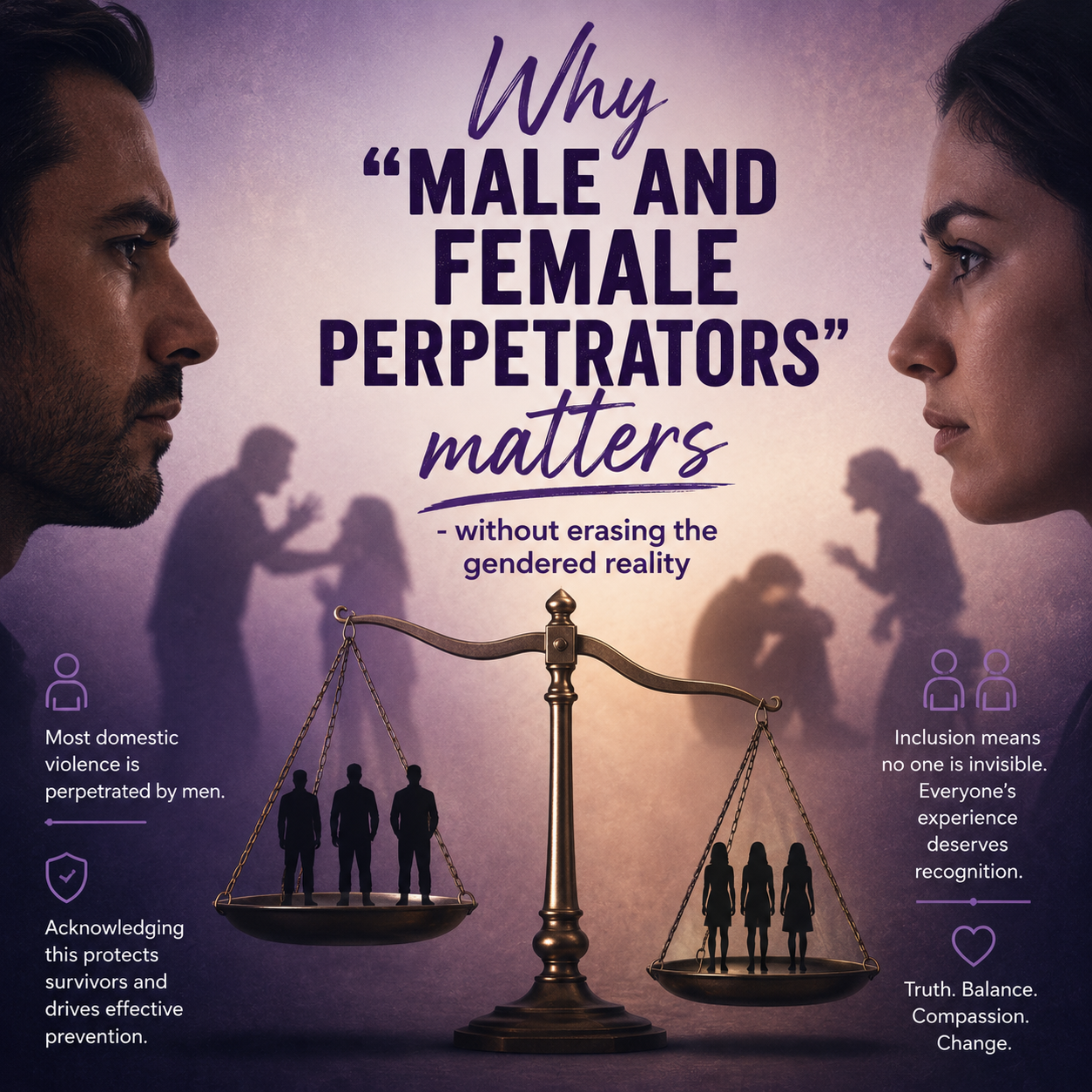
Domestic and family violence is overwhelmingly gendered. Women and children continue to experience disproportionate harm, particularly from male violence. Any national prevention framework must be honest about that.
But honesty also requires us to acknowledge that people of any gender can use violence, coercive control and abuse.
A national perpetrator database and disclosure scheme should be built around behaviour, risk and evidence – not assumptions. Male perpetrators must be held accountable. Female perpetrators must be held accountable. Perpetrators in same-sex relationships must be held accountable. Abuse in LGBTQIA+ relationships must not be made invisible. Abuse experienced by men must not be dismissed. Abuse experienced by women must not be minimised by false equivalence.
The principle is simple.
The person using violence should be visible to the system.
The person at risk should not be left to guess.
Why stakeholders may resist
Government is not the only stakeholder here.
Police, courts, privacy commissioners, legal bodies, domestic violence services, data agencies, technology providers, victim-survivor advocates, perpetrator intervention services, First Nations organisations and community groups would all need to be involved.
Some concerns would be valid.
Specialist services may worry that a disclosure scheme could give people information without enough support. Legal groups may worry about procedural fairness and misuse of untested allegations. Privacy bodies may worry about overreach. Police may worry about workload and liability. Governments may worry about cost. Community organisations may worry about whether culturally safe pathways exist. First Nations advocates may rightly demand safeguards against expanding systems that have already caused harm through over-policing and child removal.
These concerns should shape the scheme.
They should not bury it.
South Australia’s model offers important lessons here. The independent review found the scheme works through a coordinated partnership between South Australia Police and domestic and family violence services, with roles shaped by expertise, legal powers, rights, safety and support needs. (Essex Open Access Research Repository)
That is the standard.
A national model should not be police-only.
It should not be data-only.
It should not be disclosure without support.
It should not be rushed.
It should not be symbolic.
It should be trauma-informed, culturally safe, nationally consistent, independently evaluated and properly funded.
This is the part that makes me angry.
We often learn everything after a woman is dead.
After the murder, the pattern becomes clear.
After the inquest, the missed opportunities are documented.
After the media coverage, the history is discussed.
After the tragedy, everyone asks what could have been done.
But prevention means asking those questions before the funeral.
Who knew?
What was recorded?
Where was the pattern?
Who had the information?
Why was it not shared?
Why did the person at risk have to find out through harm?
A national Domestic Violence Disclosure Scheme would not save everyone. No single reform can.
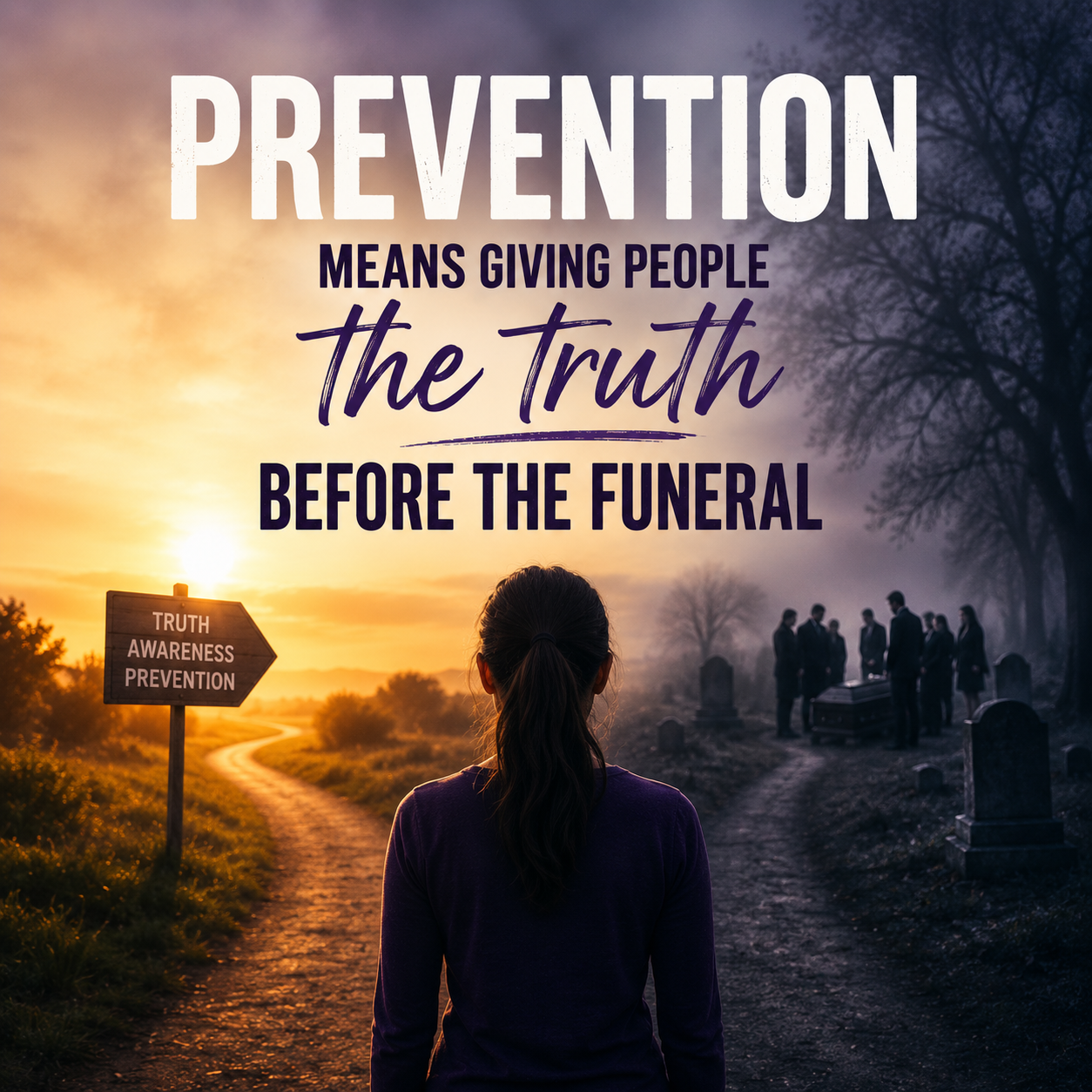
But it could save someone.
And when the stakes are life, safety, children, freedom and trauma, “someone” is enough reason to act.
Lived experience must be used as a gauge for what is needed
Prevention must also be shaped by lived experience, because victim-survivors often understand the gaps long before systems are willing to admit they exist.
One of the greatest failures in domestic violence prevention is that lived experience is still too often treated as a story to be heard, rather than evidence to be acted on.
Victim-survivors know where the system breaks.
They know what it feels like to report and not be believed.
They know what it feels like to sense danger before there is “proof.”
They know how coercive control hides behind charm, reputation and public respectability.
They know how hard it is to leave when money, children, housing, fear, shame and trauma are all tangled together.
They know how perpetrators manipulate systems, professionals, family members and even the victim-survivor’s own self-trust.
That knowledge is not anecdotal weakness.
It is frontline intelligence.
If governments and stakeholders are serious about prevention, lived experience must be used as a gauge for what is actually needed, not as a token inclusion after decisions have already been made.
Too often, those in authority consult victim-survivors, thank them for their courage, and then continue designing policies from the top down. They listen politely, but they do not always change direction. They collect stories, but they do not always alter systems. They speak about trauma-informed practice, but they do not always allow trauma-informed evidence to lead.
That is not good enough.
Lived experience should help shape how a national Domestic Violence Disclosure Scheme is designed. It should inform what information victim-survivors need, when they need it, how it is delivered, and what support must sit beside it. It should influence how risk is assessed, how coercive control is recognised, how repeat perpetrators are tracked, and how systems respond before violence becomes visible.
Because victim-survivors are often the first to recognise the pattern.
They may not have the language for it yet.
They may not have police evidence.
They may not have bruises.
They may not have a formal diagnosis of trauma.
But they know when something is wrong.
A prevention system that ignores that knowing is not prevention. It is bureaucracy.
Lived experience does not replace professional expertise, legal safeguards or evidence-based practice. But it must stand beside them as a serious form of knowledge. When policy is built without lived experience at the centre, it risks solving the wrong problem, measuring the wrong outcomes and protecting the wrong people.
If we want domestic violence prevention to work, we must stop treating victim-survivors as passive recipients of services.
They are witnesses to system failure.
They are holders of pattern recognition.
They are experts in what danger looks like before the paperwork catches up.
And if those in authority are not willing to listen to lived experience, then they are not truly serious about prevention.

Australia needs a national conversation that moves beyond awareness and into practical prevention.
A serious national model should include:
- A nationally consistent Domestic Violence Disclosure Scheme based on the strongest parts of the South Australian model.
- A secure national perpetrator information system accessible only to authorised agencies, with strong privacy, accuracy and oversight safeguards.
- Clear inclusion of all perpetrators – male, female and gender diverse – while maintaining an evidence-based understanding of gendered violence.
- Specialist domestic and family violence support attached to every disclosure request.
- Culturally safe pathways for First Nations people, migrant and refugee communities, LGBTQIA+ people, people with disability, older people, young people and regional communities.
- Independent review and public reporting, so the scheme is not allowed to become another underfunded promise.
- National standards for what information can be disclosed, how risk is assessed, and how victim-survivors are supported after disclosure.
The Federal Government has already acknowledged the importance of national data and information-sharing. Current national work includes planning for greater consistency of terminology, improved data and information-sharing, and national monitoring across family and domestic violence services. Data and Digital Ministers have also discussed improving information-sharing about perpetrators of gender-based violence across systems and jurisdictions. (dss.gov.au)
That is a start.
But it is not enough.
We do not only need data that helps governments understand the problem.
We need systems that help people survive it.
The question is no longer whether we know enough
We know enough to act.
We know domestic violence is patterned.
We know coercive control escalates.
We know leaving can increase risk.
We know perpetrators can move between relationships and jurisdictions.
We know fragmented systems fail victim-survivors.
We know South Australia has built a model that deserves serious national attention.
So the question is not whether prevention matters.
The question is whether governments are willing to make prevention practical.
Will they share information before harm escalates?
Will they prioritise safety as strongly as privacy?
Will they fund the support needed to make disclosure safe?
Will they build a national system that can see patterns across borders?
Will they hold perpetrators accountable before another victim-survivor becomes a headline?
Domestic violence prevention cannot keep relying on awareness after the fact.
It must include information.
It must include accountability.
It must include early intervention.
It must include the courage to confront the systems that still protect patterns of harm.
If we are serious about ending domestic and family violence, then we need to stop asking victim-survivors to navigate danger in the dark.
Give them the truth.
Give them support.
Give them options.
And give prevention the power to mean something.
Written by Rose Davidson
Domestic violence prevention remains a core part of my advocacy work. This article reflects my commitment to survivor safety, lived experience, and systems change.
All images are AI generated.